
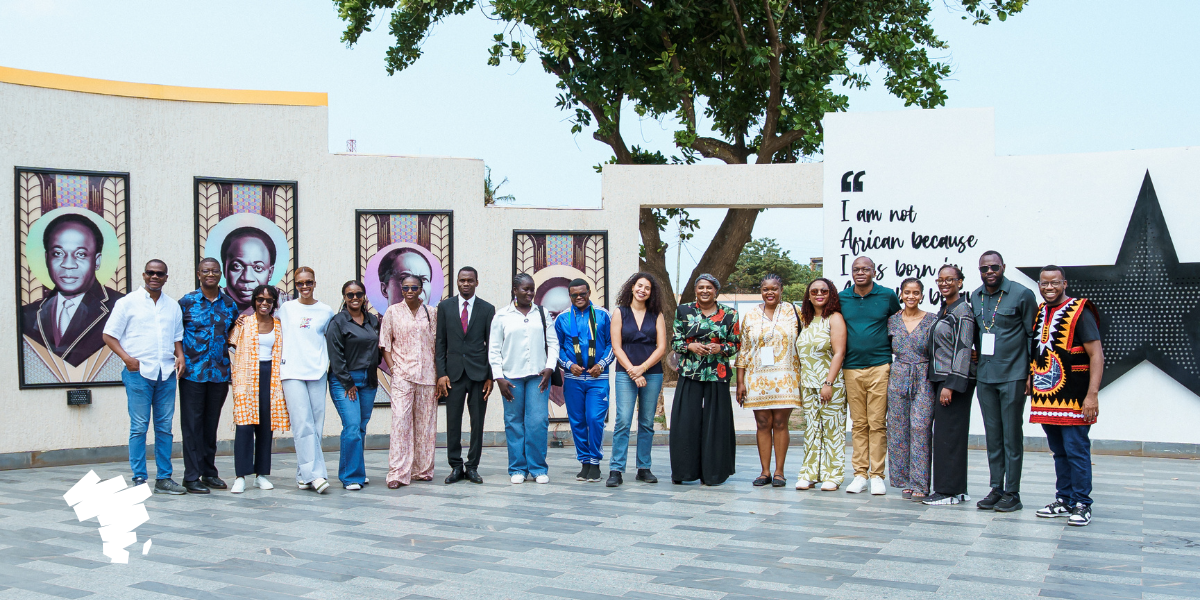
In July, members of the inaugural cohort of Dr. Hage G. Geingob Fellows gathered in Accra, Ghana, for their second convening within Leadership Lab Yetu’s 12-month Intergenerational Leadership Accelerator (ILA).
The three-day convening explored what it means to govern through demographic transition, focusing on a question with growing urgency for the continent: can Africa’s institutions, politics, and leaders keep pace with the expectations of its rapidly growing and youthful population?
The Fellows engaged with distinguished leaders and experts including H.E. Ndiyakupi Nghituwamata, Namibia’s High Commissioner to Ghana; Brian Kagoro, Managing Director of Programs at the Open Society Foundations; Edmond Kombat, Managing Director of Tema Oil Refinery; Francis Gatare, President of the African School of Governance; Martin Kalungu-Banda, a leadership and organization development practitioner and co-founder of Impact Hub Lusaka; Dr. Alex Ezeh, Dornsife Professor of Global Health and Associate Dean for Global Health and Human Rights at Drexel University; and Dr. Tendai Mvuvu, co-founder of IMPAKT Trust Zimbabwe.
In her opening remarks, H.E. Monica Geingos, Founder and Chairperson of Leadership Lab Yetu, placed the convening within a longer history of African leadership. Nearly 70 years after Ghana’s independence, she reflected on how the nation became a meeting place for a generation of leaders, each showing that Africans could imagine a different future and organize themselves to build it.
The responsibility facing leaders today is different, but no less significant. It is to translate independence into capable institutions, economic growth into opportunity, and the aspirations of a young and connected population into governments able to deliver.
“The question is not whether Africa has a youth bulge,” she told the Fellows. “The question is whether our institutions can move with the same speed as our people. Whether our institutions can keep pace with our demographics. Whether leadership can anticipate change.”
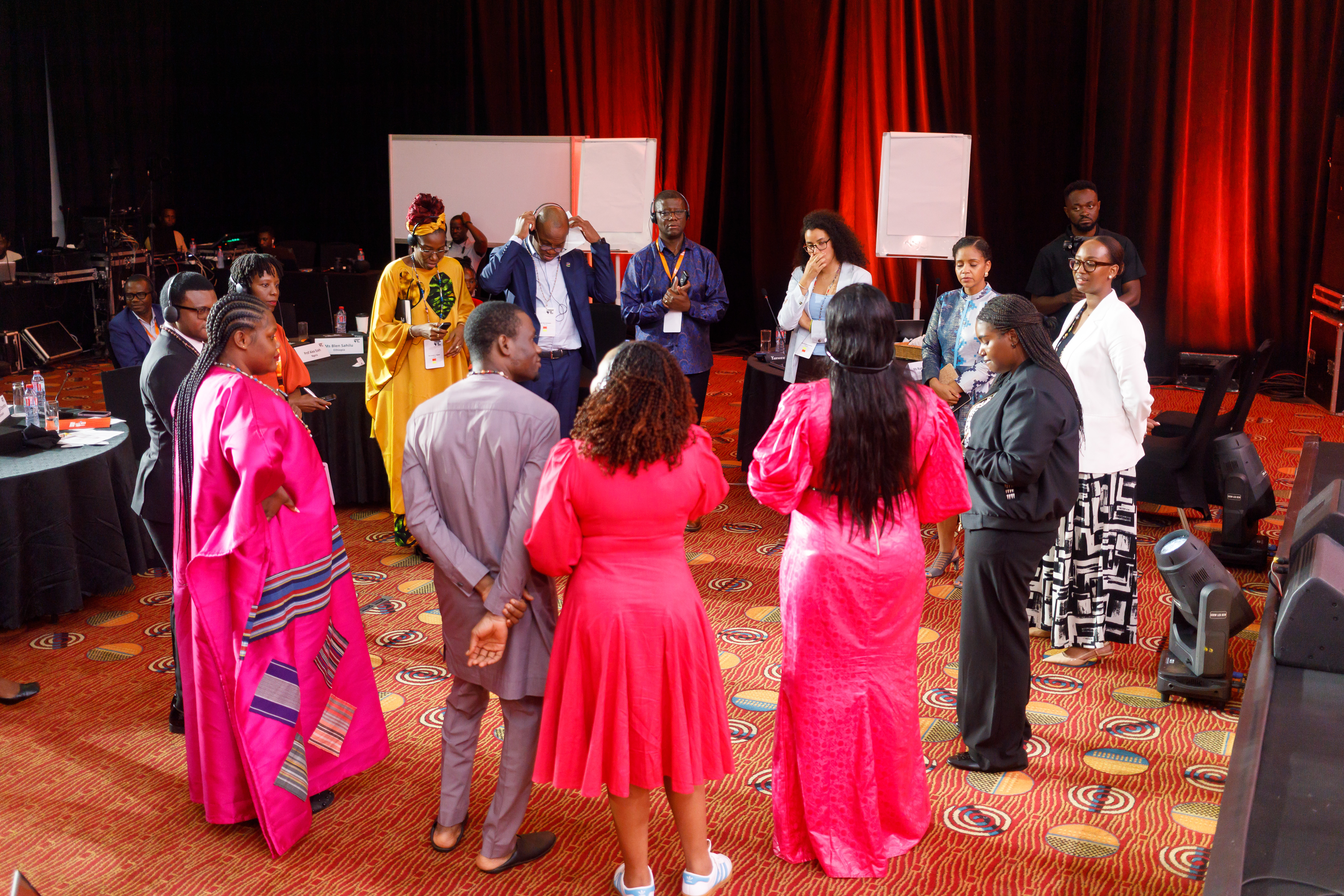
This framed Africa’s demographic transition as a test of leadership rather than an abstract population trend. Meeting young Africans’ legitimate expectations of meaningful work, dignity, and functioning institutions will require leaders who can anticipate change, work across generations, and strengthen the systems through which decisions are made and delivered.
That is the purpose of the ILA’s intergenerational approach. This flagship, pan-African initiative supports leaders across generations in navigating high-stakes policy issues through collaboration and exchange. It is not enough to place younger and more experienced leaders in the same room. The aim is to create space where experience can be shared and new thinking can be welcomed without dismissing history. The Fellows are already shaping public life as senior public servants, policymakers, advisers, and leadership practitioners. The program helps them exercise that responsibility in increasingly complex environments.
The convening was designed as a laboratory. H.E. Geingos asked Fellows to carry three questions through the program: What is really going on? What does leadership require here? What will you do differently when you return home?
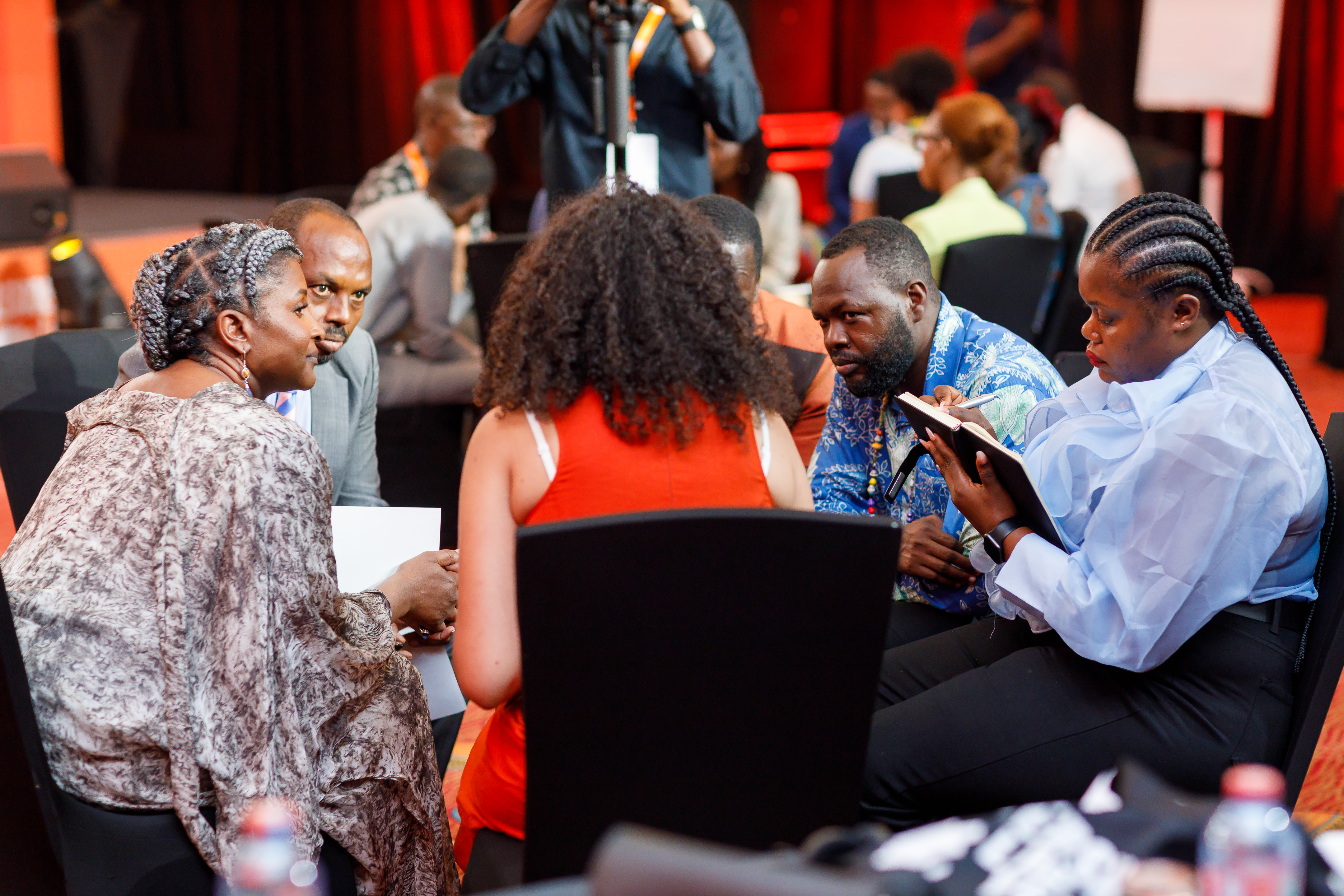
Through a fictional government scenario, they had to look beyond the most visible problem, anticipate unintended consequences, and make collective decisions under pressure. The work also asked Fellows to look beneath the visible structures of a system. Martin Kalungu-Banda’s sessions on systems transformation explored how relationships and the quality of attention leaders bring can shape institutional outcomes. Fellows considered the difference between reacting with a quick fix and responding at the deeper levels of policy and underlying assumptions.
Listening became a leadership discipline and a way to move beyond defending established positions and towards inquiry, empathy, and collective problem-solving.
Reflecting on the ILA, Fellow Caryn Dasah, Founder of Hope Advocates Africa, said, “This program has reignited a spirit of leadership.” She highlighted how bringing together leaders from different backgrounds, institutions, and experiences created space to learn from one another and build meaningful relationships.
On the final day, the Fellows visited the Kwame Nkrumah Memorial Park and Mausoleum, and Mr. Brian Kagoro led a session on “Pan-Africanism and Our Generational Mission”, inviting the cohort to consider pan-Africanism as a practical responsibility, expressed through collaboration and a willingness to work across borders. For Fellows and speakers drawn from across the continent, the setting reinforced that Africa’s shared challenges cannot be addressed by any one country, sector, or generation acting alone.
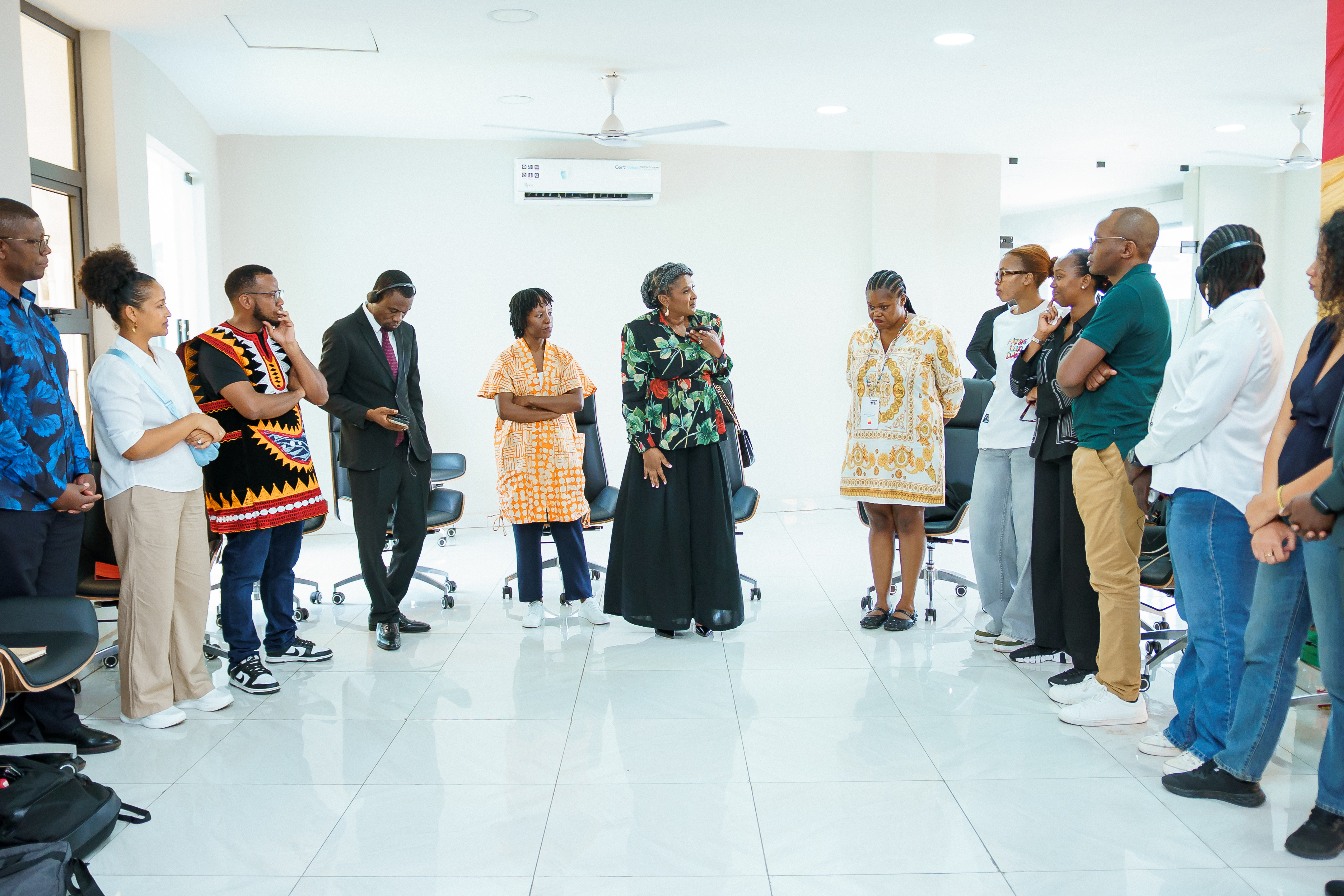
The convening ended where it began, with responsibility. In her closing remarks, H.E. Geingos warned that being articulate or correct is not the same as being consequential. Countries change when leaders take responsibility and remain within institutions long enough to move them without losing their values.
She challenged the Fellows to become “institutionally dangerous to mediocrity” by learning to read budgets, understand incentives, build coalitions, and retain their moral compass.
As the Fellows continue their 12-month journey through virtual sessions, coaching, and peer-support from Yetu’s wider network, the measure of Accra will be what they do differently in the institutions and communities to which they have returned.
“Africa does not need another generation that can describe the crisis beautifully,” H.E. Geingos said. “Africa needs a generation that can hold the line and still deliver the future.”